
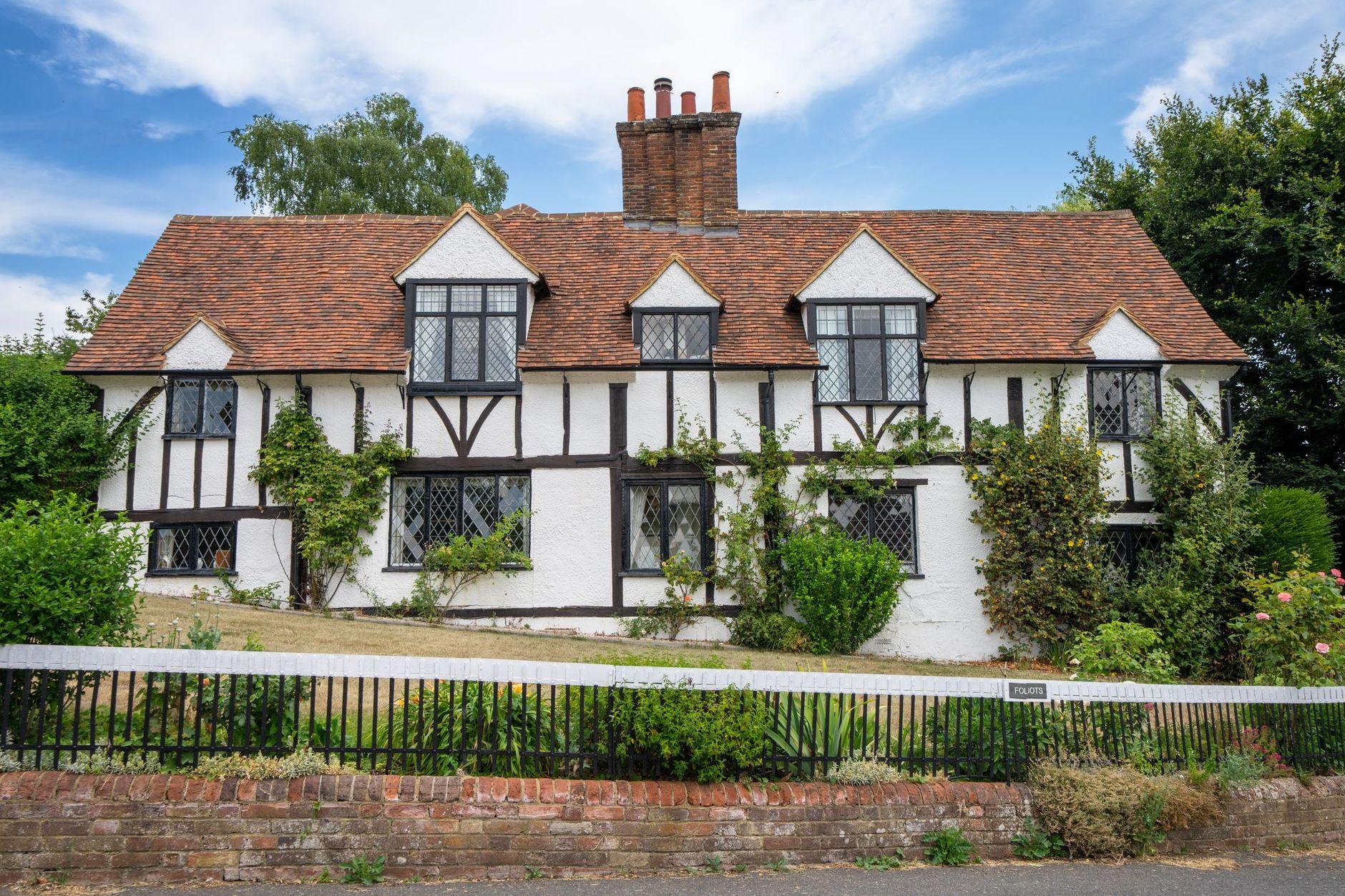
Waterproofing for brick chimneys that drink in the rain
Ask About Chimney Waterproofing
Leave your name and number with a line about what you are seeing or hearing. We phone back to set the visit.
What You Get From Avery
Brick soaks up water, and a soaked chimney sheds mortar, grows moss and stains the ceiling inside. Waterproofing slows that down. First we make sure the brick, the crown, the flashing and the cap are in good order, since sealing over a leak only hides it. Then a vapor-open repellent is sprayed on that keeps rain out but lets the brick dry. It is most worth doing on chimneys that catch the full force of winter rain.
Why brick needs help shedding water
Brick and mortar take in water. In a light rain they absorb a little and dry out quickly. In a long winter storm they can take in a lot, and the part of the chimney above the roof sits fully in the weather with nothing to shelter it. That water does damage slowly. It carries salts out of the mortar and leaves white crust on the face of the brick. It softens joints, which then wash out a little more each year. On hot days after rain, it pushes out through the brick face and makes the surface flake off. Over time that adds up to open joints and broken brick near the top of the stack, and open joints are exactly what wasps, bees and small birds look for. A chimney that stays wetter for longer also grows moss and lichen on its shady side, which holds even more water against it.
A masonry water repellent changes how the brick behaves in rain. Brushed or sprayed on, it is drawn into the face of the brick and mortar, where it lines the pores so rain cannot wick inward. It does not form a film or a skin, and that matters. Brick also has to dry, and a coating that seals the surface shut traps water inside, which is worse than no coating at all. The kinds we use leave the pores open to vapor, so dampness already in the wall can still work its way out. Waterproofing is also not a repair. It does not fill cracks, replace mortar or fix a broken crown. Those come first, so the repellent goes onto sound masonry. We also check that the cap and flashing are in good shape, because a repellent will not stop water coming down an open flue or in at the roof line.
Dry weather, sound brick, then the coat
On the visit we look at the whole chimney with waterproofing in mind: the brick and joints above the roof, the crown, the cap and the flashing. We look for crust, flaking, soft joints, cracks, moss and anything living in the gaps. If the masonry is sound, the quote covers cleaning and the repellent. If repairs are needed, the quote lists them first, each with its own price, and the waterproofing after them. There is no list price for waterproofing on this site, because chimneys differ in size, height and the amount of preparation needed. We apply the repellent in dry weather, with the brick dry to some depth, which in our area usually means late spring through early fall. It should not go on right after rain, and it should not go on when rain is due before it has had time to set.
In San Fernando, Burbank, Santa Clarita and Canoga Park, waterproofing makes the most sense on older brick chimneys that have started to show water wear, on chimneys after repointing or a partial rebuild, and on tall stacks that stand well clear of the roof and catch the weather on every side. It also works well right after a new crown, cap or flashing job, when the rest of the chimney top has just been made right. Unsure whether yours needs it? Start with an inspection, and we will tell you whether the brick is taking on enough water to be worth treating. When you get in touch, describe the chimney and anything you have noticed, such as white crust, flaking brick, a stain inside or moss on one side. A coat over brick that is still crumbling would only hide the problem for a season.
How Avery Chimney Sweep Leaves a Chimney
Photos
What came out of the flue and how it looks after
Animals Out First
Nothing gets capped with a bird or raccoon still inside
Written Prices
Repairs beyond the agreed job wait for your yes
Screened Top
A cap with mesh offered on every open flue we see
Where Avery offers chimney waterproofing
Pick your city for local notes on the houses there and what tends to find its way into their chimneys.
Nothing under that name. Your next-door city may be listed instead.
More From Avery
Chimney Sweep
Soot, twigs and old nesting material brushed down and vacuumed out, with the smoke shelf cleared and photos of the open flue.
Read more →Chimney Inspection
A look at the flue, firebox, damper, cap and crown, with photos and a plain note on what needs attention first.
Read more →Chimney Repair
Gaps, cracks and loose brick that let water or animals in, repaired from the top of the chimney down, with a written price.
Read more →Fireplace Inspection
Firebox, damper, hearth and glass doors looked over from inside the room, with notes on smells, stains and droppings.
Read more →Fireplace Repair
Cracked firebrick, a stuck damper, loose hearth tiles or smoke stains on the face, fixed once you approve a written price.
Read more →Chimney Level 2 Inspection
Video of every foot of the flue plus the attic and crawl space, for home sales, after nests and after quakes.
Read more →Chimney Cap Installation
Stainless caps with mesh small enough to stop birds, squirrels and sparks, measured to your flue and fastened to ride out wind.
Read more →Chimney Flashing Repair
Rust, gaps and lifted metal where the chimney meets the roof, resealed or replaced so rain and small critters stay outside.
Read more →Chimney Masonry Repair
Crumbling mortar and spalled brick repaired before loose pieces fall or give birds and rodents a ledge to nest on.
Read more →Chimney Rebuilds
Chimneys too cracked, loose or leaning to patch, taken down and rebuilt above the roof or from the ground.
Read more →Fireplace Cleaning
Ash, soot, droppings and leftover nest debris cleared from the firebox, with doors, screen and surround cleaned.
Read more →Gas Fireplace Cleaning
Spider webs, dust and debris cleared from burner, pilot and vent, with the glass cleaned and a CO reading taken.
Read more →Gas Fireplace Repair
Pilots that drop out, igniters that fail, remotes that do nothing and vents blocked by nests, found and repaired.
Read more →Fireplace Remodel
A new face, mantel, hearth or insert for a dated fireplace, planned after the firebox and flue have been checked.
Read more →Fireplace Inserts
Gas and wood inserts set into an existing firebox, lined to the top and capped so the flue stays shut to animals.
Read more →Pellet Stove Repair
Pellet stoves that jam, fail to light or shut down mid-burn, and vents clogged by ash or a nest at the outside cap.
Read more →Wood Stove Repair
Door gaskets, baffles, firebrick and stovepipe on wood stoves repaired, and the stack capped against birds.
Read more →Gas Logs
A gas log set for a wood fireplace, matched to the opening, with the flue capped so nothing nests above the burner.
Read more →Chimney Seismic Retrofit
Bracing, straps or a lighter upper section for brick chimneys at risk of falling in the next strong quake.
Read more →Chimney Crown Repair
Cracked or crumbling chimney tops sealed or recast, so rain stops soaking the brick and the cap has a solid base.
Read more →Dryer Vent Cleaning
Lint-packed dryer ducts cleared, and outside vent hoods checked for the birds that like to nest in them.
Read more →Chimney Liner Installation
Stainless liners for cracked or missing flue tile, run to the top and finished with a screened cap.
Read more →Chimney Leak Repair
Drips, stains and damp smells near the chimney followed back to where the water gets in, then sealed at the source.
Read more →Chimney Damper Repair
Dampers rusted by rain, jammed by nesting debris or warped by heat, freed, repaired or replaced with a top-mounted damper.
Read more →Chimney Chase Cover
Rusted or sagging metal tops on boxed-in chimneys replaced in stainless, with a screened cap on the flue pipe.
Read more →