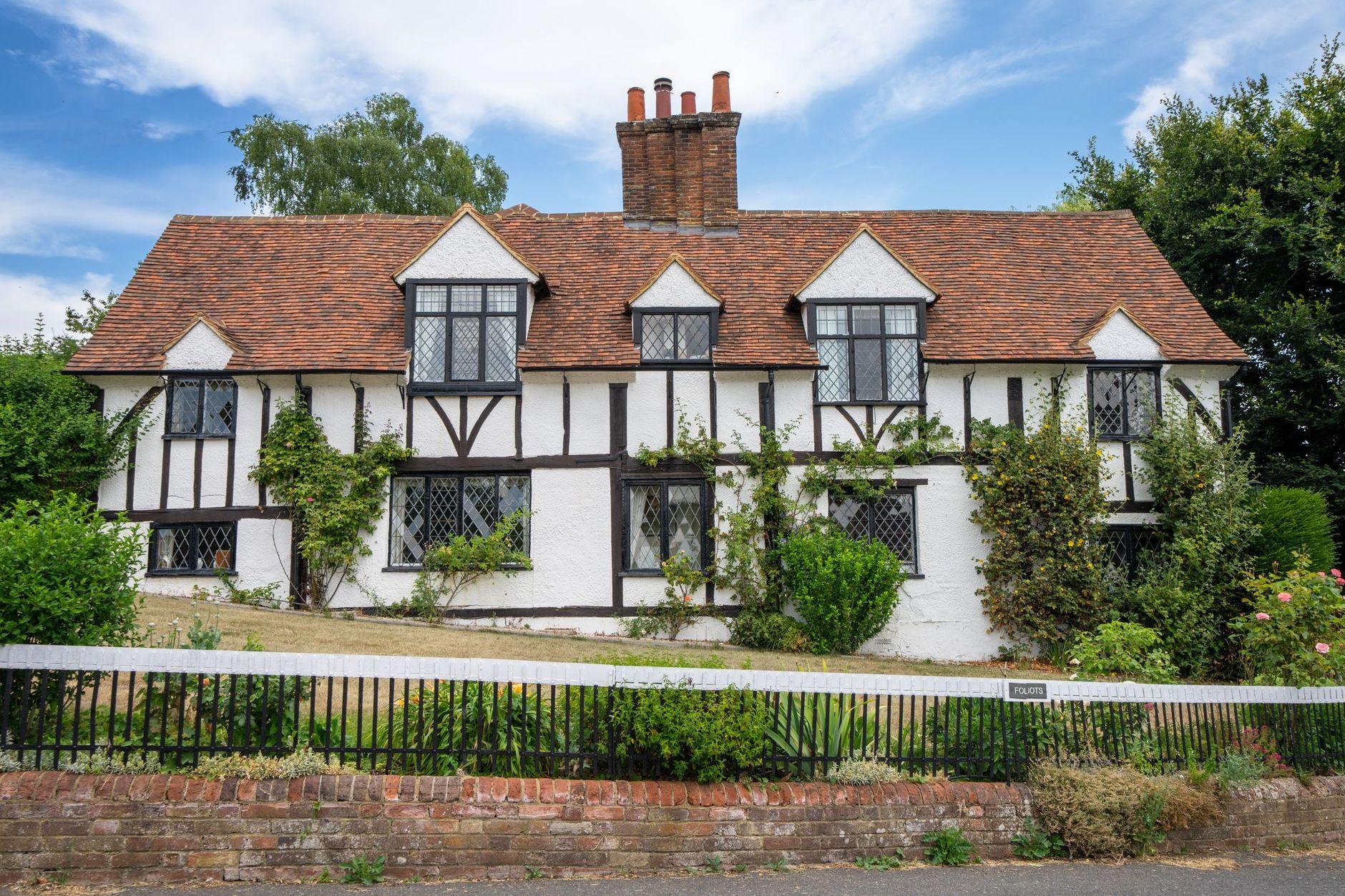
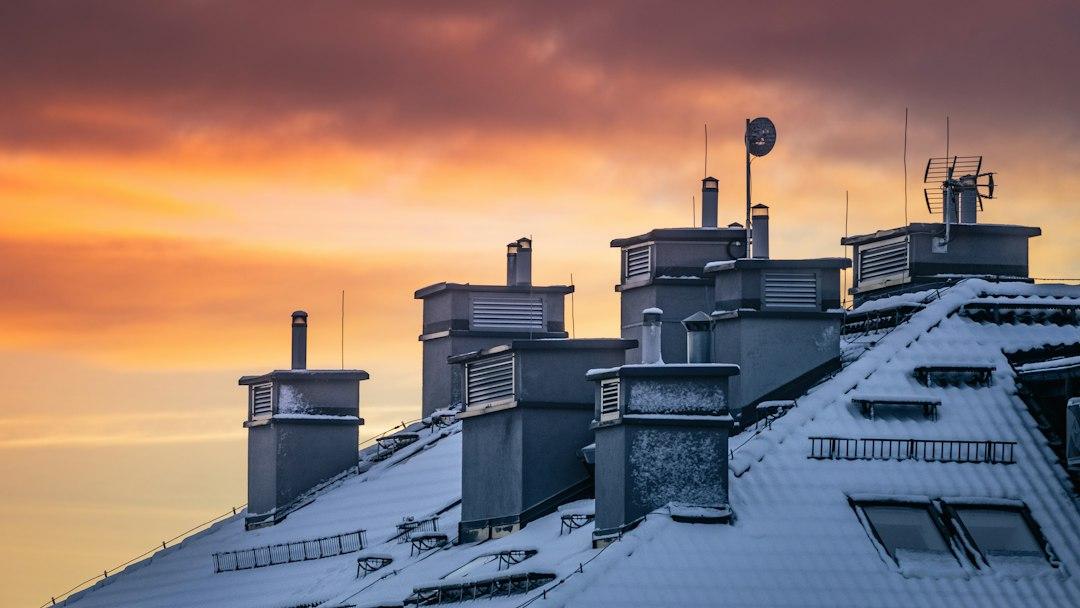
Scratching at dawn, a thump behind the damper, a twig on the hearth that nobody carried in. Those are the calls that usually end with a new cap on the roof. Around San Fernando the open top of a flue is one of the few sheltered, dry holes on a house, and birds, squirrels and raccoons find it quickly. A cap with a screen closes that hole for good.
A cap fitted by Avery Chimney Sweep is quoted after we measure. Caps differ because chimneys differ. This post explains what sets the price, what comes with the job, and when the cap is only part of the bill.
What sets the cap price
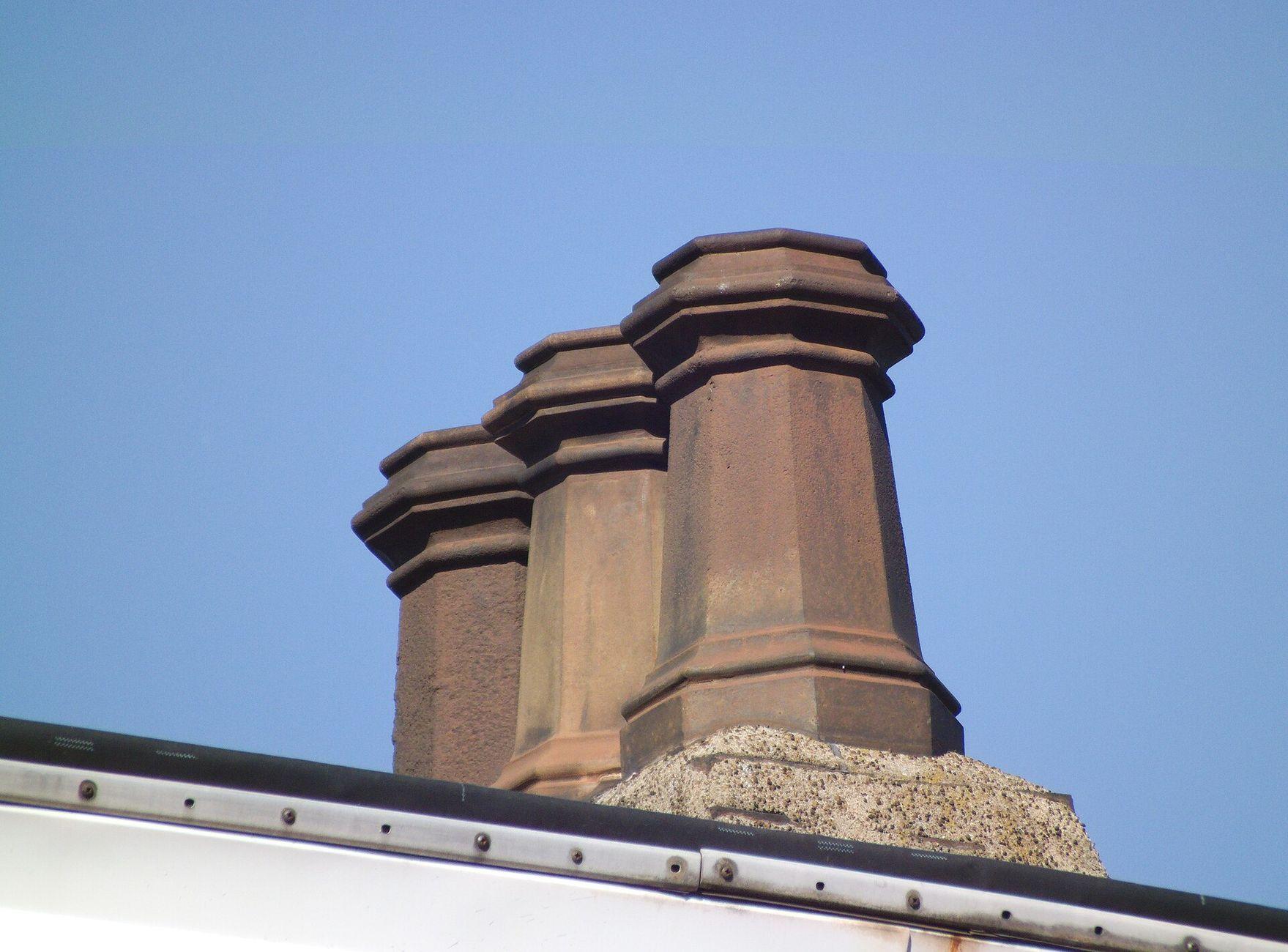
The simplest job is a single round or square clay flue on a one storey house with an easy roof. The cap clamps or screws to the flue tile, the screen wraps the sides, and the whole job is done in one trip up the ladder.
These things make a cap cost more:
- More than one flue under one top. A house with a furnace flue and a fireplace flue in the same stack often needs a single wide cap that covers the whole crown, made to measure.
- Size and shape. Oversized or oddly shaped tiles, common on older brick chimneys in the north valley, do not take a stock cap.
- Metal. Galvanised steel is the budget choice and rusts in time. Stainless lasts much longer. Copper looks good on a visible front chimney and costs the most.
- Roof and height. A steep tile roof or a two storey stack takes longer to work on safely, and that time shows up in the price.
- Factory-built chimneys. Metal fireplace systems need the cap their maker designed for them, and those parts are priced by the maker.
Most homes we see in San Fernando, Burbank and Canoga Park are simple jobs. Some are not, and we would rather say so up front.
What the screen is doing up there
People ask for a cap to stop rain. Ours are fitted mostly to stop animals. The screen around the sides is what makes the difference: a solid lid with open sides keeps water off but still lets a squirrel walk straight in under it.
A good screen does three jobs at once:
1. It stops birds dropping in to nest on the smoke shelf. 2. It stops raccoons and rats climbing down to use the flue as a den. 3. It catches embers before they leave the top, which matters a great deal in Santa Ana wind season when the hills behind the city are dry.
The screen has to stay clear to do any of this. A cap that has been on for years can clog with soot on a wood burning fireplace, which chokes the draft. We check that every time we sweep.
When the cap is not the whole job
A cap goes on top of whatever is already there. If what is there is in poor shape, the cap alone will not hold.
We look at a few things before we quote:
- Anything living in the flue. If birds are sitting on eggs, the cap has to wait until they leave. Many wild birds are protected by federal law, and an active nest is not something to pull out in a hurry. A raccoon with young is a job for a wildlife specialist first. We fit the cap once the flue is empty.
- What the animals left behind. Old nests, droppings and leaves packed on the smoke shelf block the draft and can catch fire. A sweep from $400 clears them. See our chimney sweep page.
- The top of the masonry. If the crown is cracked or crumbling, a clamp-on cap has nothing solid to hold. That is a crown repair, priced in writing after we have looked.
- Water already getting in. A brown stain spreading across the ceiling beside the fireplace wall usually points to the flashing, not the top. That is a separate fix with its own price; see our post on flashing and leak repair prices.
How we price your cap
We do not quote caps blind. One visit lets us measure each flue, check what is living or rotting in it, and look at the crown under where the cap will sit. Then you get a written figure for the cap itself and, separately, anything else we found. You can approve the cap on its own and leave the rest for later.
The things that move your number most are the count and size of flues, the metal you choose and how hard the roof is to work. If you know any of those already, tell us when you book. Ask for a cap quote here and mention what you have been hearing or finding: scratching, droppings, feathers, a smell, or nothing at all.
Mesh caps compared with top-sealing dampers
Some owners ask whether they should fit a top-sealing damper instead. A top damper closes the flue at the roof when the fireplace is off, which also keeps animals out. It suits a fireplace that is used now and then and has a damper at the bottom that no longer seals. It does not catch sparks when the fire is lit, so it usually comes with its own screened lid. We compare the two, and chase covers, in top damper, cap or chase cover?.
After the cap goes on
Two things tend to happen. The noises stop, which is the point. And the fireplace often draws a little better, because wind no longer pushes straight down the open flue.
What a cap does not do is clean out what was there before. If you have not had the flue swept since the animals moved in, book both at once. It saves a second trip up the roof and you will know the flue is clear before the first cold night.
Where we fit caps
We work from San Fernando across the north valley, including Burbank, Santa Clarita and Canoga Park. You can see the full list on our San Fernando area page. Details on materials and fitting are on our chimney cap installation page.
When you are ready to close the top of your chimney, the contact page is the place to start. Give us the address, roughly how many flues you can count from the street, and what has been going on inside.
Want Us to Take a Look?
Avery checks the flue for animals, clears it, sweeps it and caps it, with photos of what came out. We work from San Fernando out to Burbank, Santa Clarita and Canoga Park.