The line in the inspection summary was short: "Evidence of nesting in fireplace flue. Recommend evaluation by a chimney professional." The buyers called us the same afternoon, a little rattled, with escrow already open on a house in San Fernando. They wanted to know two things. How bad could it be? And what would it cost to find out?
This post is for anyone in that seat, buyer or seller. It explains what a nest finding tends to mean, which inspection to book, and how the result can turn into a repair or a credit.
What the home inspector saw, and what they could not
The home inspector's job runs from roof to foundation in a single visit. In the fireplace, the inspector looks at what can be reached and lit from the room. If they find twigs, feathers, droppings or a wad of leaves on the smoke shelf, they note it and pass it on, because that is as far as their job goes.
What a nest does not tell you on its own:
- whether it is still in use
- how the animal got in, usually a missing or broken cap
- whether droppings have rusted the damper
- whether the flue tiles above the nest are cracked or out of line
- whether there is more material higher up
Those are the details that decide whether this is a $400 sweep and a cap or something larger.
Which inspection to book
There are three levels of chimney inspection under NFPA 211. The first is a visual look at the parts you can reach without opening anything. The second adds a camera and the attic and roof. The third, which needs part of the structure opened up, is rare.
For a house in escrow with a nest finding, the second level is the one to book. Ours is $375. The camera goes up past the nest area and shows the full height of the flue, which is where the hidden damage sits. The standard also points to this level whenever a property changes hands, so you would likely want it even without the nest.
The visual level, at $52, makes sense for a house you already own and use, when nothing has changed. It is not enough to settle a question in a sale.
You can read more on our Level 2 inspection page.
What we usually find behind a nest
In the north valley, we see a handful of patterns again and again:
1. No cap, old nest, nothing else. The easy case. A sweep clears it, a screened cap closes the top. Done. 2. No cap, nest, rusted damper. Bird and rodent droppings eat into steel. The damper may stick open or fail to close. That is a separate repair priced after we see it. 3. Cap present but broken. A raccoon has pushed the screen aside or bent it. The cap gets replaced, sometimes with a sturdier model. 4. Nest plus cracked tile. Less common, but the camera shows it. Lining or tile repair gets a written quote. 5. Active nest. Birds sitting on eggs, or a raccoon still living there. We note it, and removal waits until the flue is empty. For protected birds that can mean waiting until the young have left.
Each of these is written up in plain words with a photo, so the buyer, the seller and both agents can read the same page and draw the same conclusion.
Turning findings into numbers
This is the part that matters for the negotiation. Our report places a price beside each finding where we publish one:
- sweep to clear the nest and soot: from $400
- leak work if water has followed the animals in: $535 to $3,200
- cap with a screen: quoted after we measure
Anything else, such as a damper, crown or flue tile, gets a written quote on a separate sheet. That sheet can go straight into a repair request or be used to size a credit. Our home sale page goes through that in more detail.
With the address and the inspector's line in hand, book the camera inspection. Let us know whether you are the buyer, the seller or an agent, and who should get copies.
For sellers: getting ahead of it
If you are about to list and you know birds or squirrels have used the chimney, there is a case for dealing with it first. A sweep and a cap before listing turns a vague finding into a closed one, with photos to show for it. A camera inspection before listing gives you the full picture and the chance to decide what to fix and what to leave to the buyer.
For agents
We write findings so you can forward them without rewriting. Our page for real estate agents shows an example of how a nest finding reads in our report.
A note on the 1971 quake
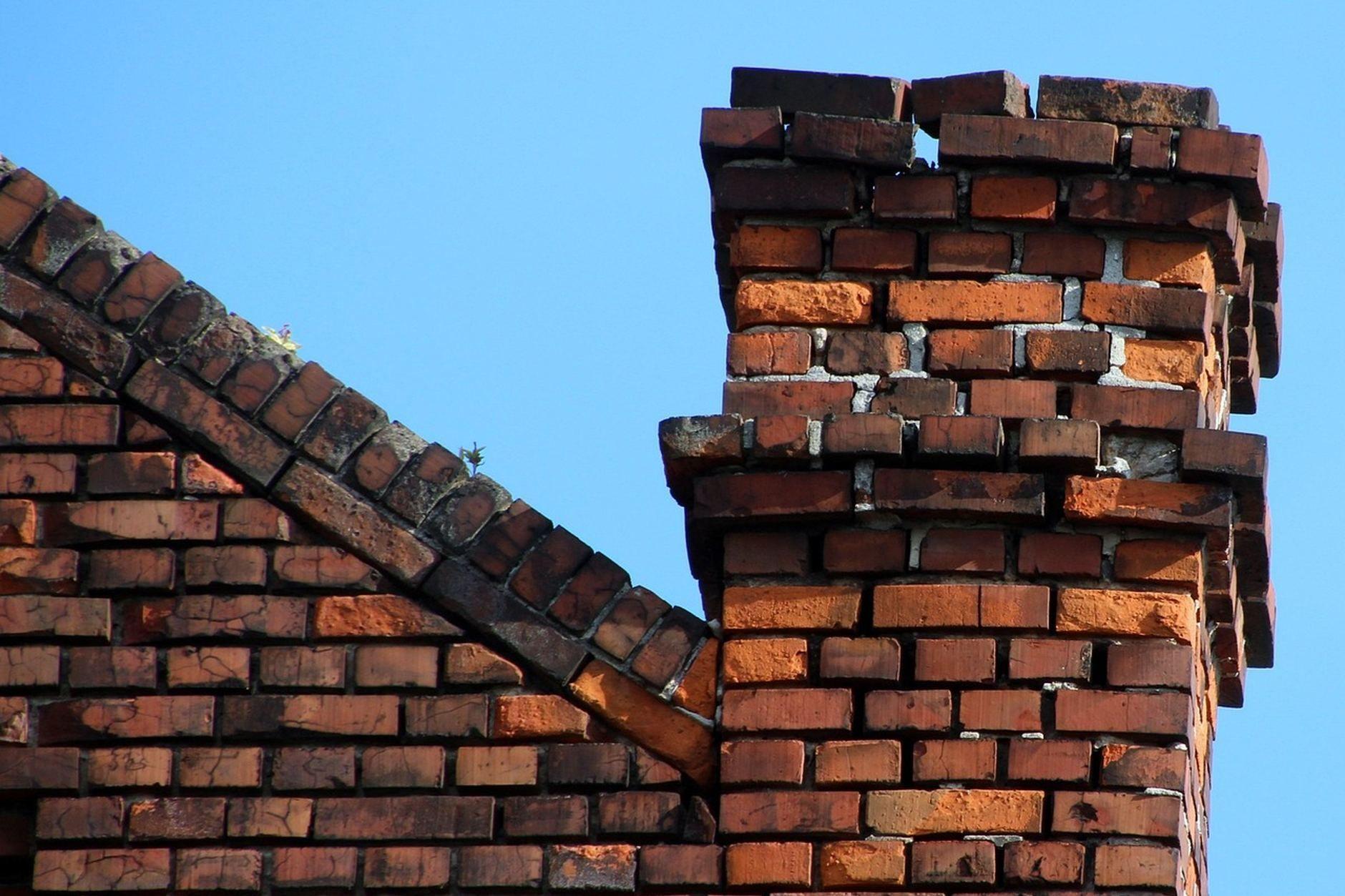
San Fernando has its own name attached to one of the region's most remembered earthquakes. Older brick chimneys in the city and the valley around it have come through that and later quakes, and some carry hidden cracks. A camera inspection booked for a nest will also show whether the flue has shifted or split. If it has, our seismic retrofit page covers the options.
Where we inspect
We cover San Fernando, Burbank, Santa Clarita and Canoga Park, plus the areas listed on our San Fernando area page.
If a home inspector has flagged a nest on a house you are buying or selling, use the contact page to set up the camera inspection, and have the report go to everyone who needs it.
Want Us to Take a Look?
Avery checks the flue for animals, clears it, sweeps it and caps it, with photos of what came out. We work from San Fernando out to Burbank, Santa Clarita and Canoga Park.